For some time now, people both within and outside the tech world have been debating how—and when—OpenAI would start generating serious revenue. With a valuation reportedly around $500 billion, the pressure to monetize has been growing. Advertising appears to be the most straightforward answer, and OpenAI has now confirmed that this is the direction it’s taking.
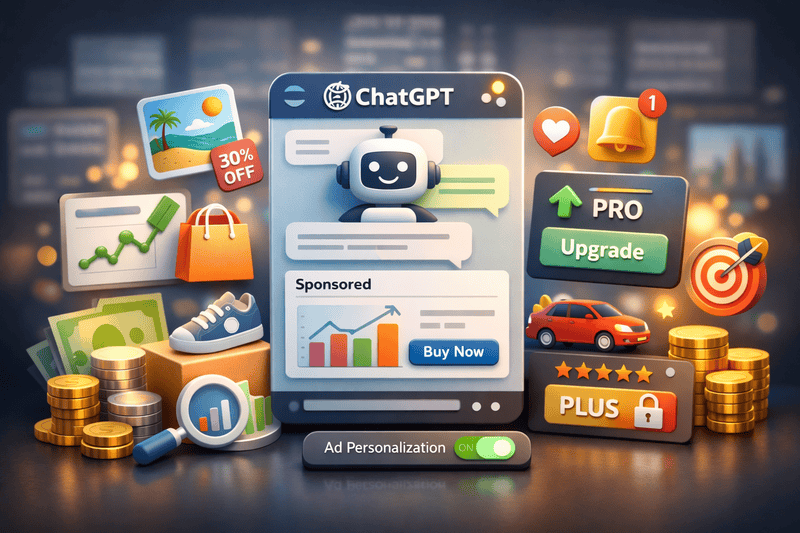
This week, the company announced that it will begin introducing limited advertising to ChatGPT. According to a blog post published on Friday, ads will be tested in the United States for users on the Free and Go plans. The Go tier, priced at $8 per month, was also launched globally the same day. OpenAI says the move is designed to help fund free access to ChatGPT while generating revenue from users who are not yet ready to upgrade to higher-priced subscriptions. For now, paid tiers such as Plus, Pro, Business, and Enterprise will remain ad-free.
The ads will appear at the bottom of conversations and will be relevant to the topic being discussed. Users will be able to dismiss ads, view explanations for why certain ads are shown, and disable ad personalization altogether. OpenAI also stated that it will not display ads to users it believes are under 18.
Importantly, the company emphasized that advertising will not affect ChatGPT’s responses. OpenAI describes this as maintaining “answer independence,” meaning ads will not influence the information or recommendations the chatbot provides. The company also reassured users that their data will not be sold to advertisers.
From a business perspective, the approach could work on multiple levels. Advertising could generate substantial revenue from free and lower-tier users, while the presence of ads may push some users toward higher-priced, ad-free subscriptions.
OpenAI has framed the decision as mission-driven, stating that advertising is intended to support its broader goal of ensuring artificial general intelligence benefits humanity as a whole.
Source: Techcrunch